Spring can be unpredictable. Your heat may run in the morning, and then you’re adjusting the thermostat for cooling by midafternoon. If your HVAC system has not been checked since winter, small issues can surface fast once demand increases. At Swiss Air Heating & Cooling, LLC, in O’Fallon, MO, we help homeowners prepare their systems before the first stretch of warm spring weather puts everything to the test.
Start With the Basics: Airflow and a Fresh Filter
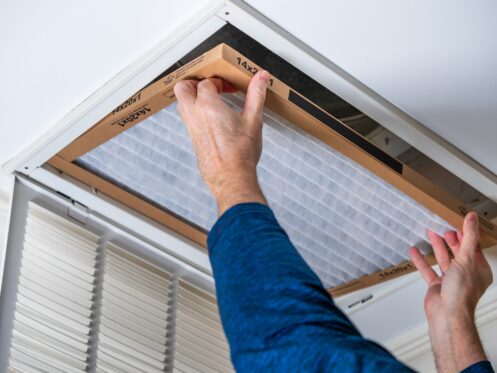
When you switch from heating to cooling, the first thing to check is airflow. A dirty filter can quietly cause problems before you even realize it. If air cannot move freely through the system, the blower must work harder, and rooms may start to feel uneven once warmer weather settles in.
Install a clean filter that fits into your system correctly. Make sure it slides in snugly without gaps along the edges. Then, take a few minutes to walk through your residence. Check that vents are open and not blocked by furniture or rugs. Small obstructions can limit circulation enough to affect comfort once the system starts running longer.
If one room already feels warmer than the others during a mild day, pay attention. That imbalance will usually get more noticeable once the temperature climbs.
Spring is also peak allergy season and can lead to poor indoor air quality in some homes. Pollen, dust, and other airborne particles move through your HVAC system every day. A clean filter, sealed ductwork, and proper airflow help reduce how much of that circulates through your home. If allergies flare up each spring, your system may need attention beyond just cooling performance.
Your Outdoor AC Unit
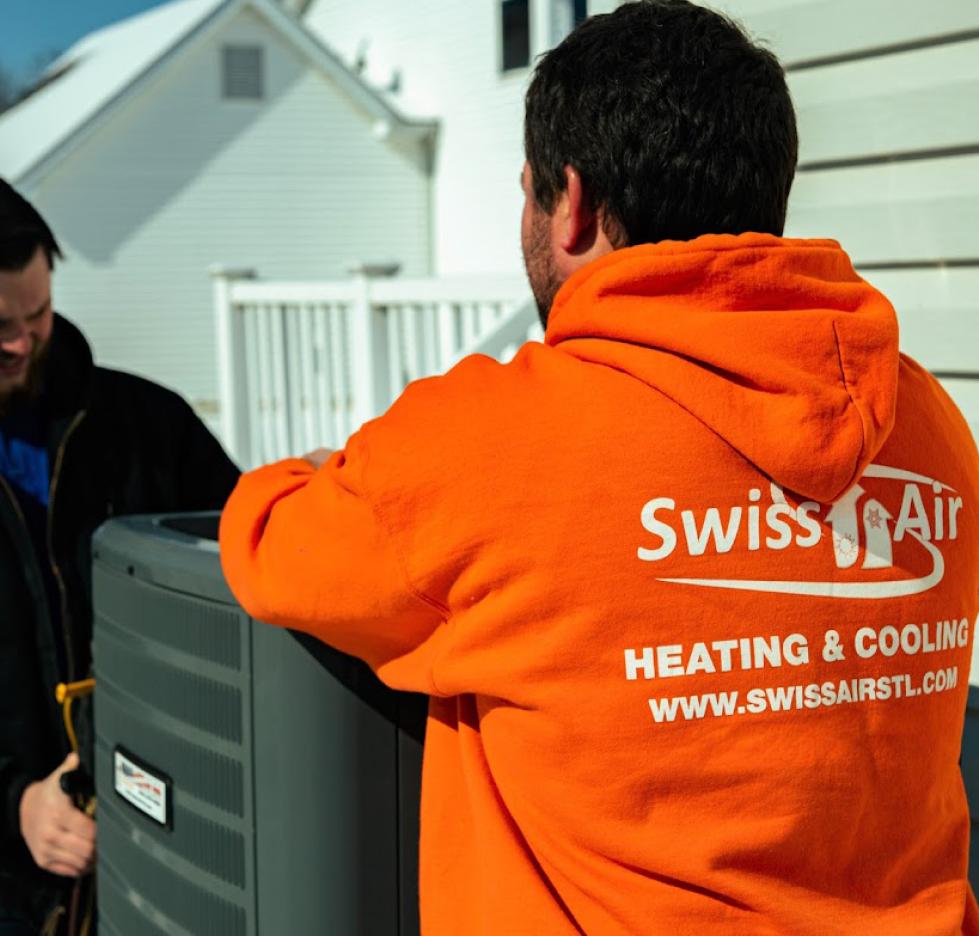
Your outdoor unit has likely been exposed to months of extreme wind, rain, and yard debris. Even if it looks fine, leaves and dirt often collect around the base and between the fins. When airflow around the coil gets restricted, the system cannot release heat as efficiently.
Clear away debris from around the cabinet and make sure there is open space on all sides. Look for obvious damage or anything pressing against the unit. You do not need to open panels or spray inside the cabinet. A visual check and clearing the perimeter go a long way. When you run the system for the first time, listen carefully. It should start smoothly and run with a steady sound. Loud rattling or persistent buzzing is not something to ignore before cooling season fully kicks in.
Test Cooling Mode Before You Depend on It
Early spring is the perfect time to test cooling mode without the pressure of a heat wave. Lower the thermostat a few degrees and confirm that both the indoor blower and outdoor unit start up without hesitation. Within a short time, air coming from the vents should feel cooler.
Walk from room to room while your equipment runs. Notice whether airflow feels consistent. If certain rooms seem to have weak airflow or are slow to cool, you may be dealing with duct restrictions or an airflow imbalance that will only become more frustrating later.
Check your thermostat schedule as well. If it is programmed for last year’s patterns, it may cycle the system more than necessary during spring’s back-and-forth temperature swings. A quick review now can prevent unnecessary run time once the heat builds.
Watch for Drainage and Moisture Clues
As your system cools air, it also pulls moisture from it. That moisture drains away through a small line near the indoor unit. After sitting idle for months, that drain can develop buildup that slows the flow.
During your test run, take a quick look around the indoor equipment. You should not see standing water or damp insulation. A musty smell at startup can also signal that moisture has been lingering inside the cabinet.
If the air feels cool but still slightly sticky, the system may not be running long enough to remove enough humidity. This can confirm issues with airflow or other mechanical factors that deserve a closer look before summer demand rises.
Schedule Spring Maintenance Before the Rush
A professional tune-up looks deeper than what a homeowner can detect. During a spring visit, a technician can test electrical components, check refrigerant levels, inspect coils, and confirm that the system starts and stops as it should.
Electrical parts such as capacitors and contactors wear gradually. You might not notice a problem until the first extended hot stretch pushes the system harder than it has worked in months. Identifying weak components early helps you avoid any surprises.
Spring service also gives you clarity. If the system shows signs of aging or reduced efficiency, you can plan repairs on your timeline. Preparation makes the transition into the cooling season smoother and far less stressful.
Start Spring Strong
A professional tune-up confirms that your cooling system can handle rising temperatures without strain or issues. We also provide AC repair, system replacement, and seasonal maintenance plans to keep your heating and cooling equipment operating year-round reliably. Schedule your spring HVAC service with Swiss Air Heating & Cooling, LLC today.